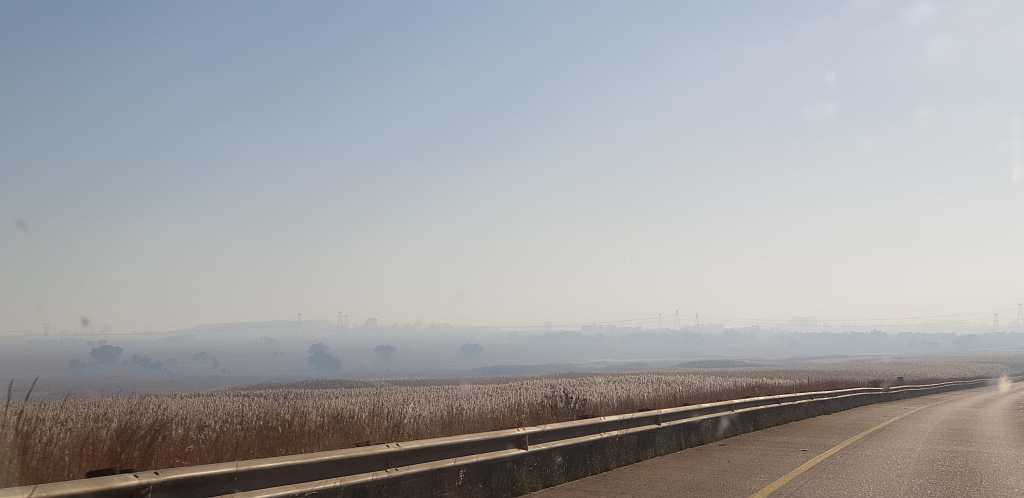
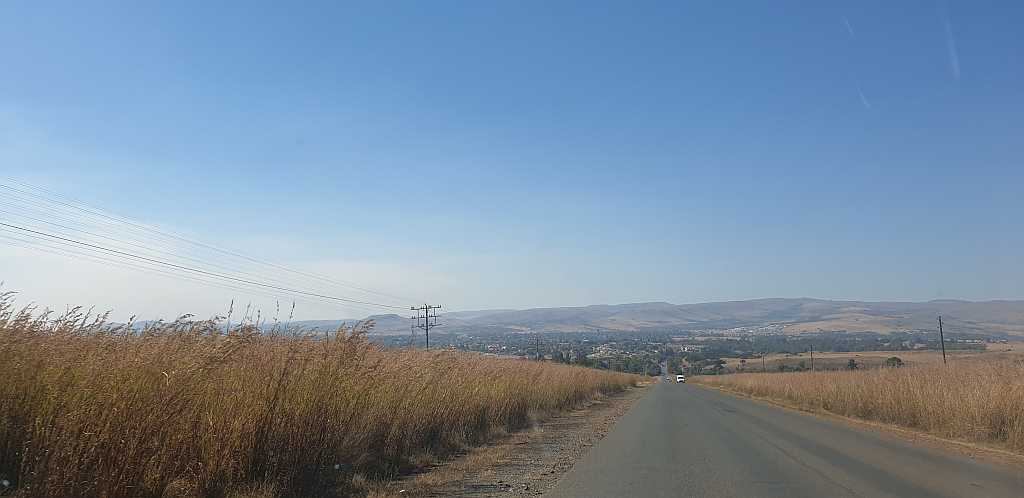
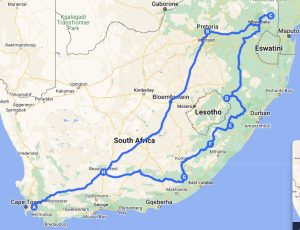
We do not have to depart too early from my son’s home because it is not that far to the Pretoriuskop rest camp in the Kruger Park. On the other hand, you have to enter the park before the gates close at sunset. As we drive along the N12 highway, we notice the heavy smog as far as the eye can see. The Highveld east of Johannesburg is very industrialised and is also the source of most of South Africa’s electricity with all its power stations next to the coal fields. Only where the N12 reaches the highest part of Emalahleni (Witbank) do we rise above the smog to see clear blue sky, only to dip under it again for another forty odd kilometers or so until we reach the Alzu Petroport.
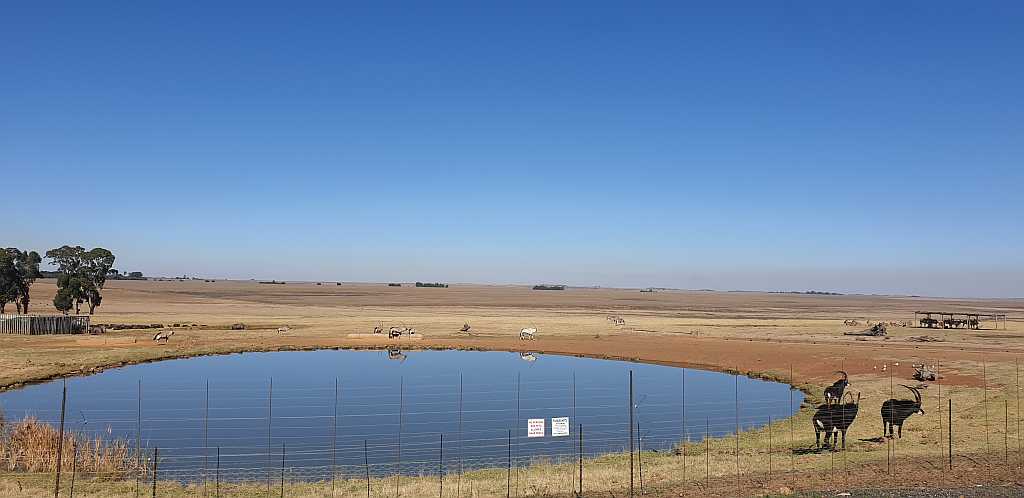
Alzu is favourite stop for us. Apart from fuel it has some nice fast food and sit-in restaurants and a curios shop. But the best part is the view on all the animals they keep on the farm. If it is too much trouble to drive all the way to Kruger you can enjoy rhinos, sables, gemsbok and the like here although the experience is obviously not comparable. I always say that the only view from the men’s rest rooms that is equal to this one, is the view from the Shell Ultra City in Worcester!
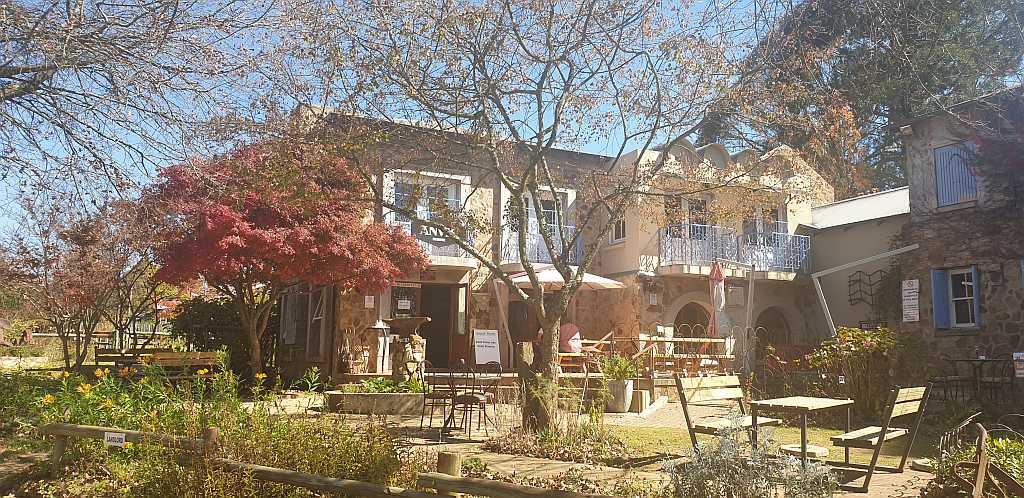
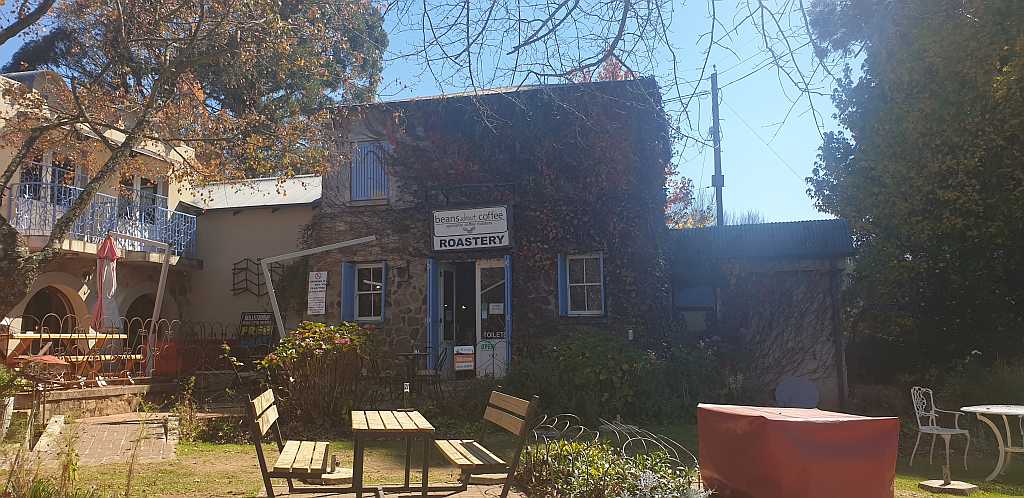
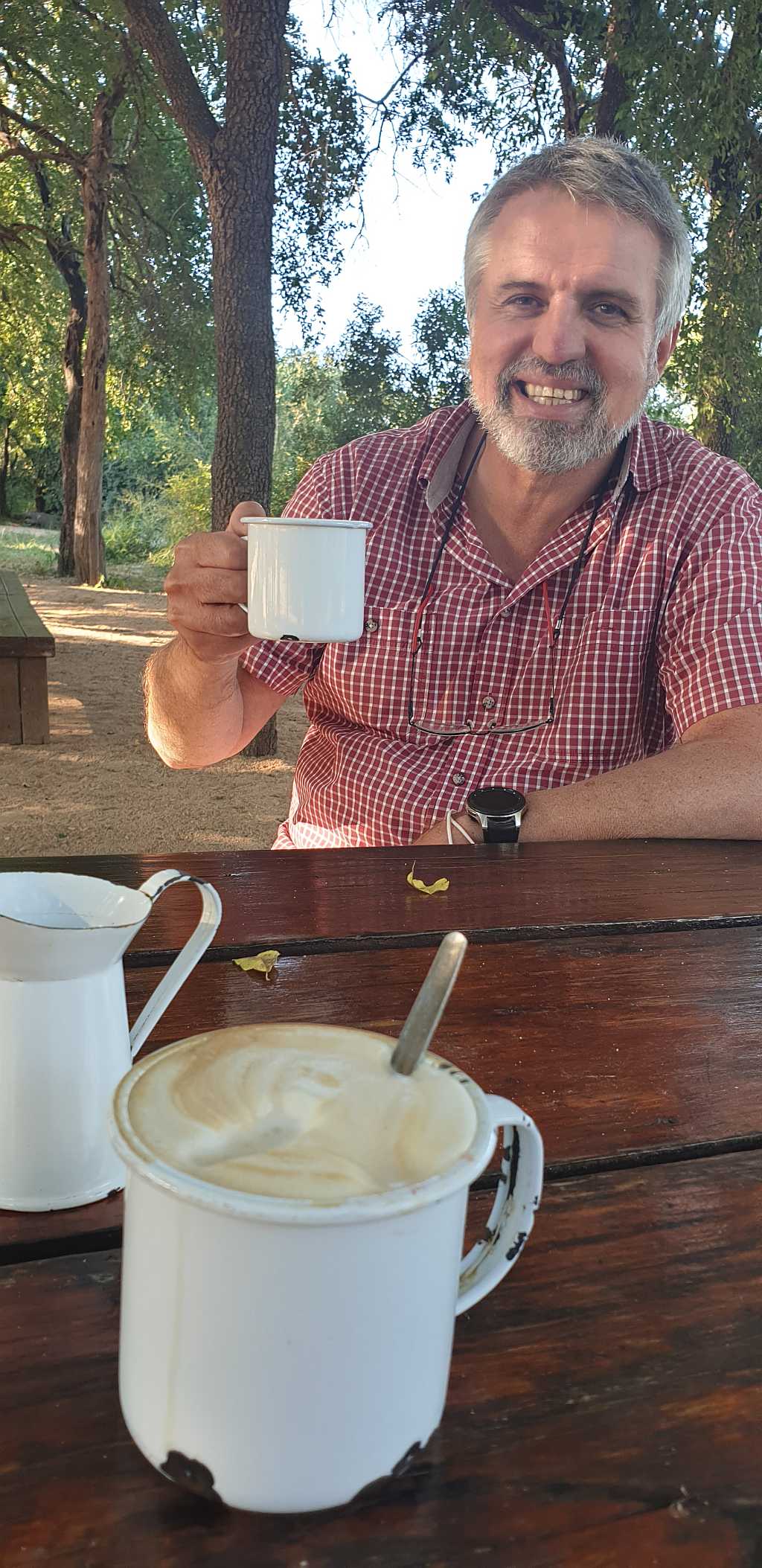
From Alzu we continue on the N4 and then suddenly decide to turn off and rather take the route via Dullstroom. I have never been to Dullstroom and heard a lot about it. So we get off on the R540 and it doesn’t take long to Belfast. I have been here as a child when my parents visited friends but do not remember much of it. I can see why. On the way to Dullstroom we see many places that advertise trout fishing. This is one of the main reasons to stay in Dullstroom. It is a small town with many art and coffee shops and restaurants. Also quite a number of guest houses. It is a beautiful, little town. We stop at the last coffee shop on the way out to Lydenburg, the Beans about Coffee Roastery. It is a specialist shop and probably supplies the entire town of coffee. After a delicious, fresh cup it is time to move on.
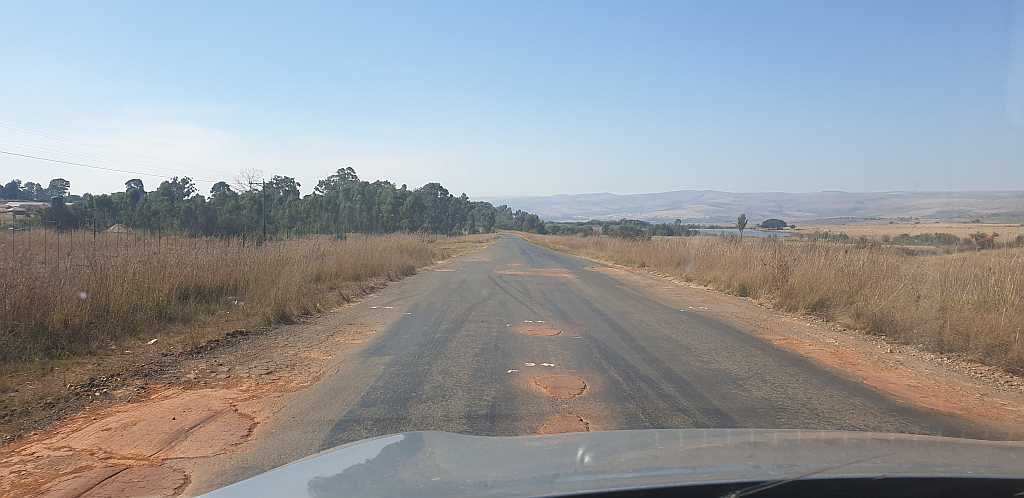
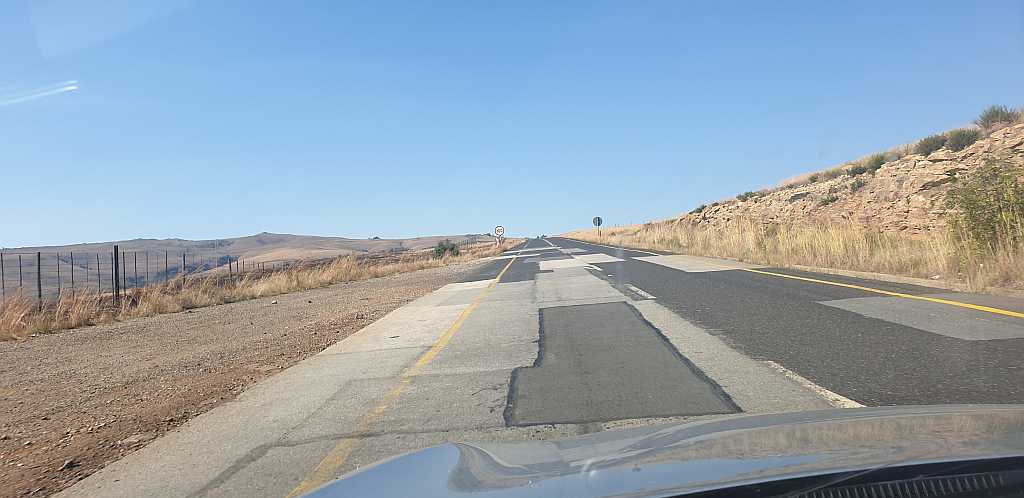
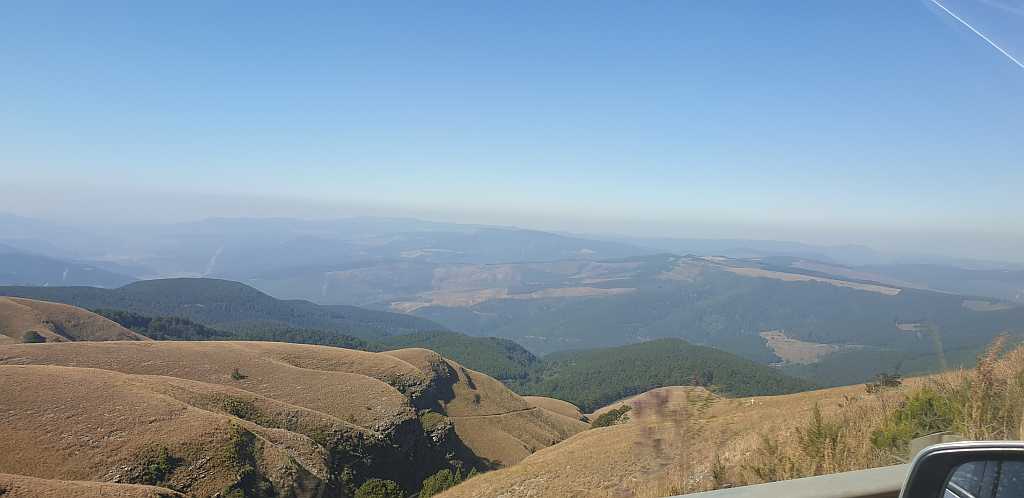
The R540 from Dullstroom to Lydenburg is in a bad condition – potholes all over the place. It looks like there is some future plan to address it because all the holes were marked but they should not have waited this long to fix it. Trees on both sides of the road cast shadows over the potholes which make it very difficult to see them before you hit them. If you really have to use this road, do it over mid-day when the shadows are short. We reach Lydenburg without incident but it took a lot longer than we planned. The R37 from Lydenburg to Sabie is in a much better condition. It goes over the Long Tom Pass which crosses the Drakensberg and got its name from the canons the Boers used against the Brits in the Anglo-Boer War. The road is not new but heavy trucks are not allowed on it and there are no potholes. The view down to the Lowveld, as we descend, is breathtaking.
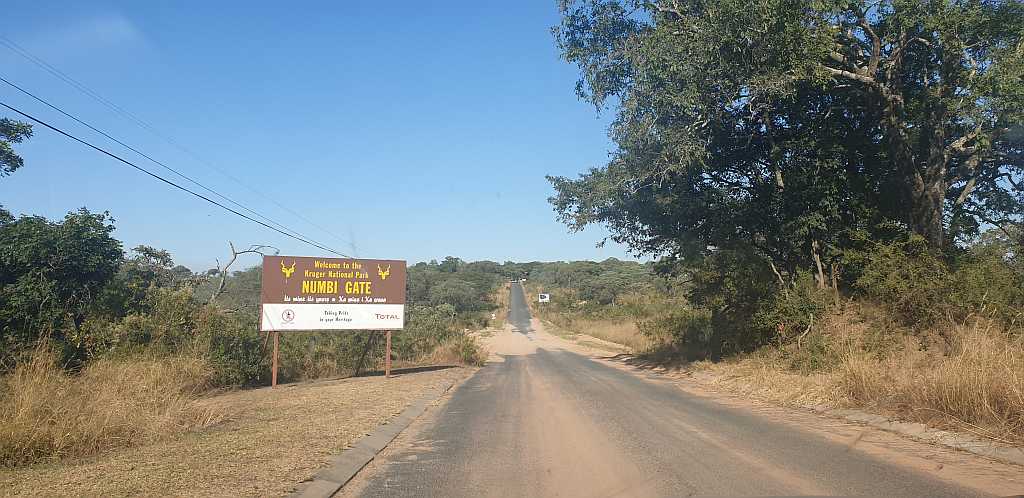
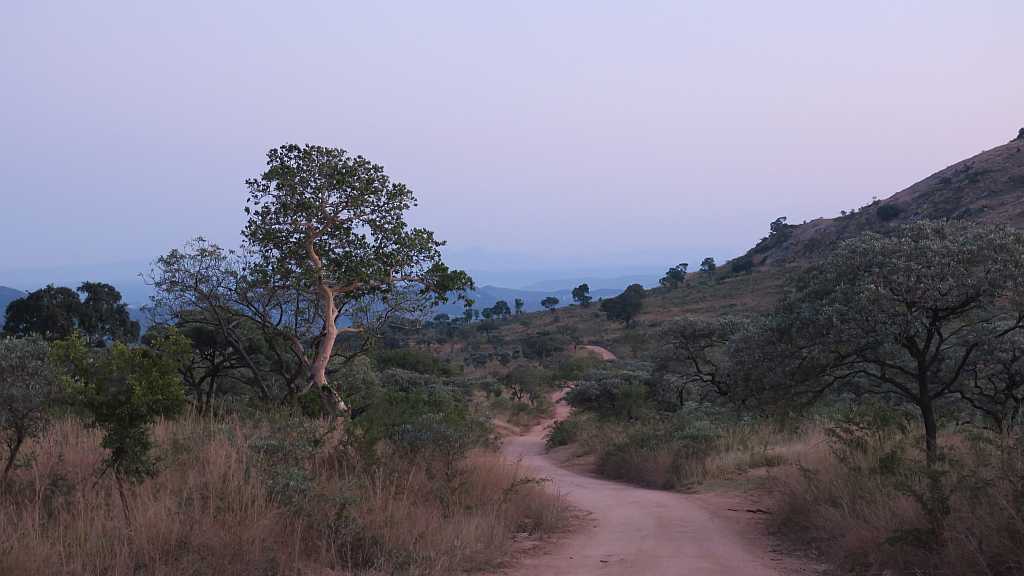
We pass through Sabie, a beautiful little town surrounded by forests, and then continue on the R536 to Hazyview. Also one or two potholes here and there but manageable. I think Hazyview was a thriving town many years ago with lots of guest and holiday houses and in close vicinity of the Kruger, but nowadays it is just another town in Mpumalanga. We turn up the R538 and then follow the signs to Kruger’s Numbi Gate. Just watch out for all the unmarked speed bumps which will ruin your car and day if you hit them – even at 40 km per hour. They made pretty sure the children will not be hit by speeding vehicles!
I am always thrilled when visiting a national park – and so much more when entering the Kruger. It is another world – a place where the animals rule and human beings are confined to their cars and rest camps. You can only disembark from your vehicle at designated locations and, even then, you should be cautious as there is nothing preventing a dangerous animal from entering the area.
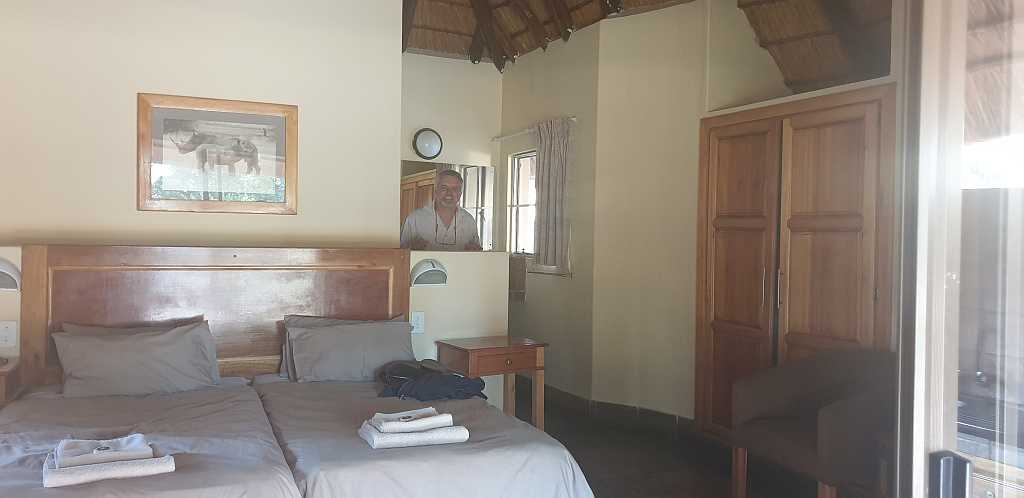
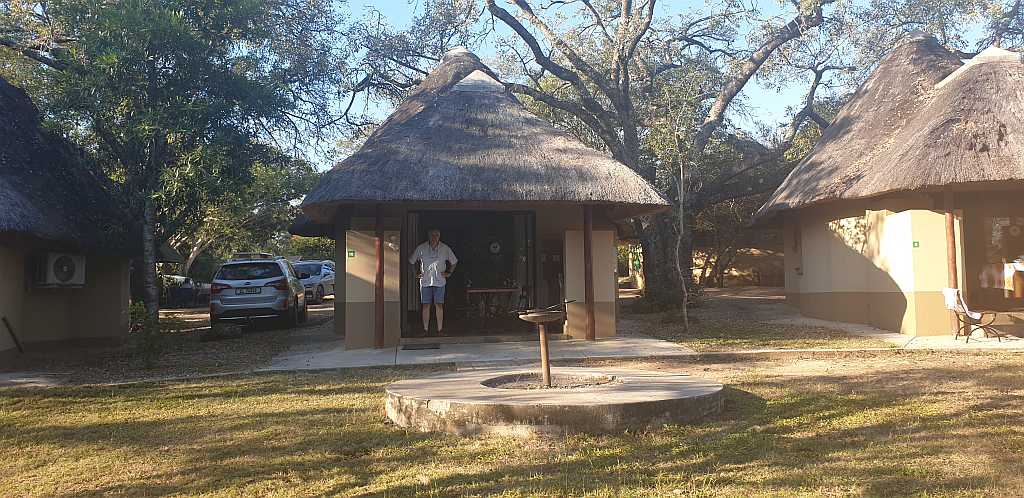
From the gate to Pretoriuskop Rest Camp does not take long and we have enough time left before sunset to unpack all our stuff. The camp still has very traditional bungalows, circular buildings with thatched roofs, that puts you in the old African way of living. They have added another thatched room in front of the original building which now covers your kitchen which is still open to the outside. There is air-conditioning inside. The fridge and cupboards in the kitchen outside are all locked to prevent baboons from opening it. I have seen what baboons can do when you do not lock your stuff – tamato juice, jam and sugar end up being all over the place as they have enjoyed themselves in your kitchen.
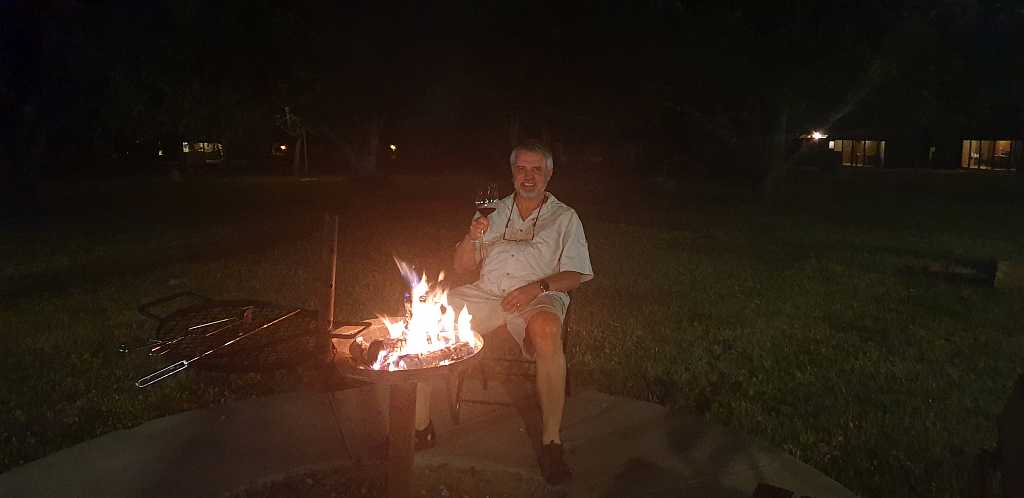
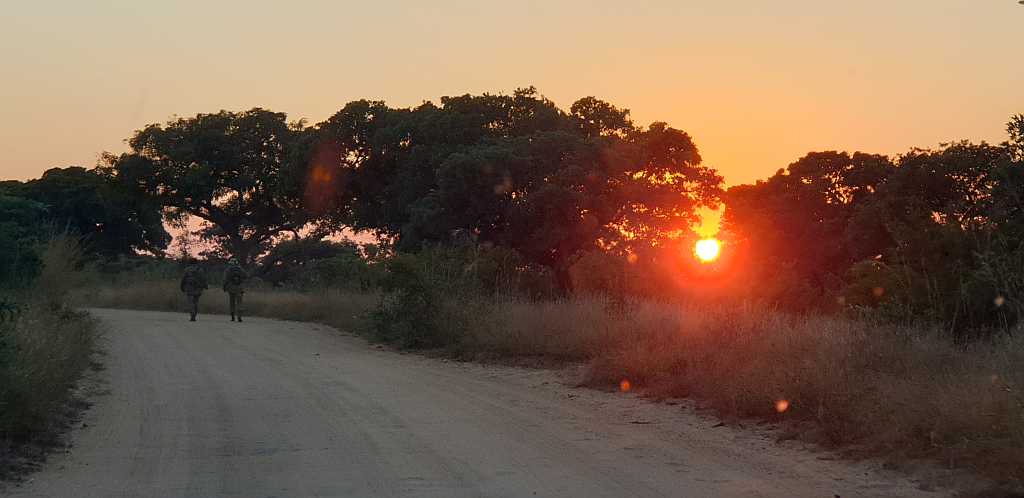
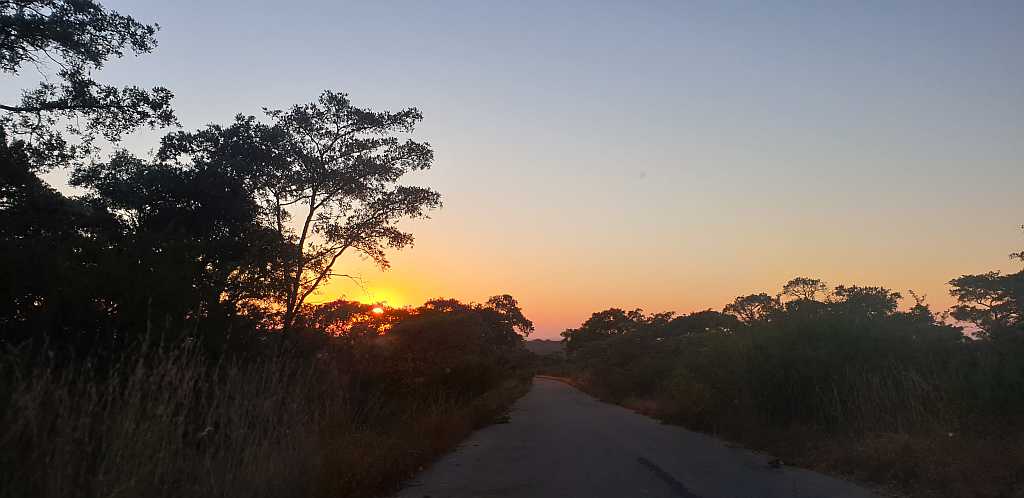
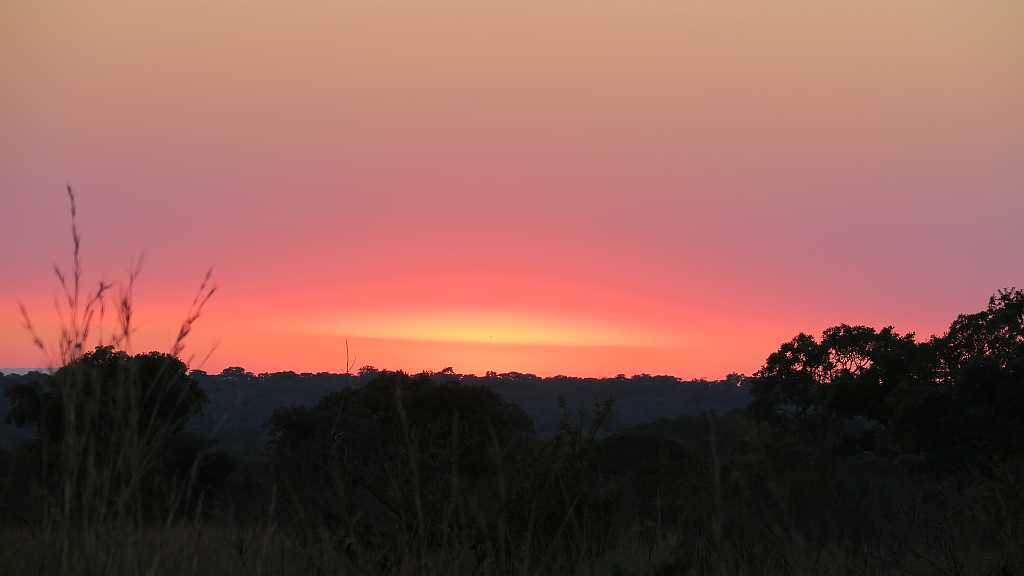
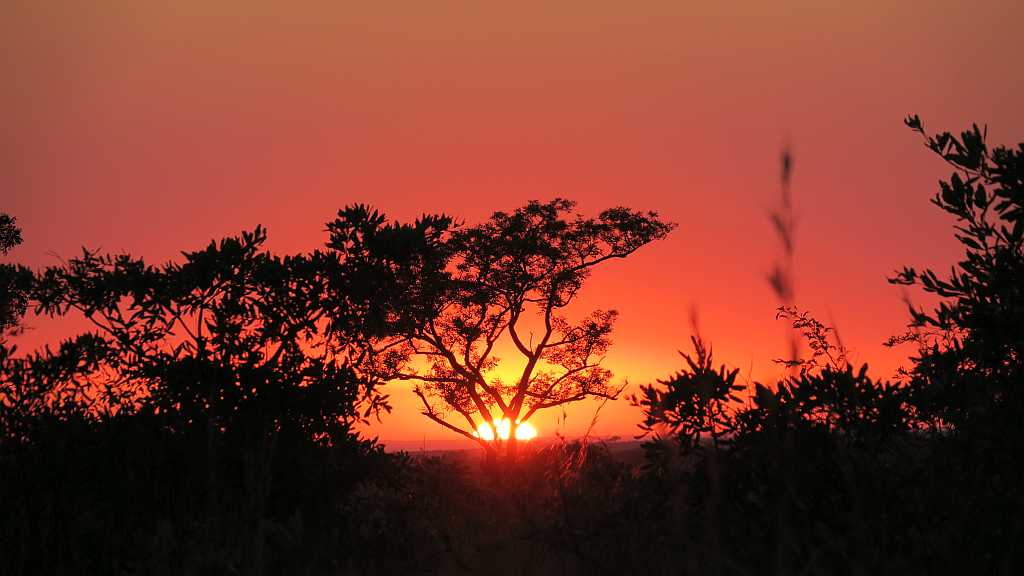
As the sun sets I start my fire for a nice braai. When visiting Kruger, you will soon find it is better to follow the daily routine of the regular visitors. Everybody has supper just after returning from the veld and then go to bed. There are no late night parties because everyone gets up an hour before sunrise to be in time when the camp gates open. Even if you dared to go to bed late, you will be awakened by your neighbours getting up, making coffee and packing their car for the day – long before you are in the mood for getting up. You are in Kruger to enjoy and observe nature and the animals are moving early and late in the day when it is less hot. So you want to synchronise with them.
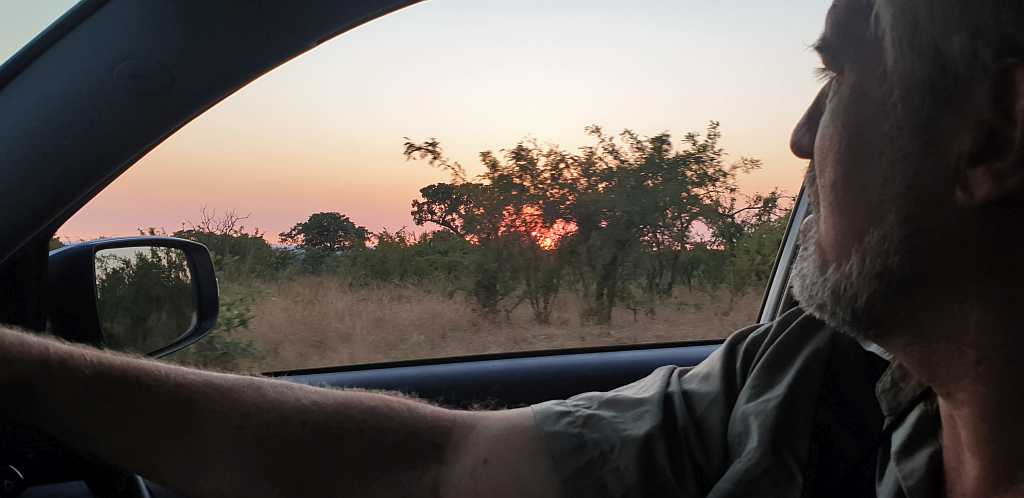
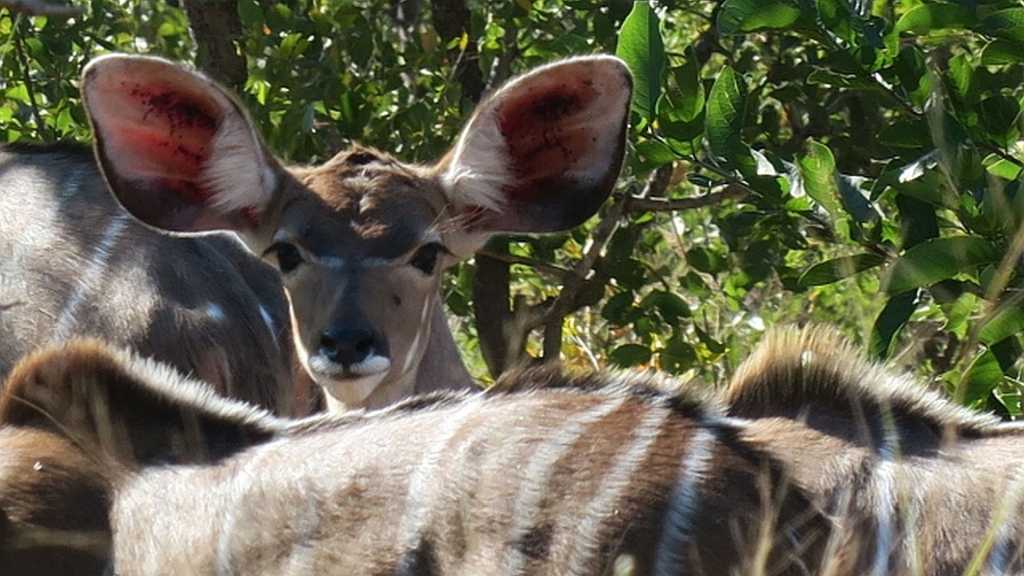
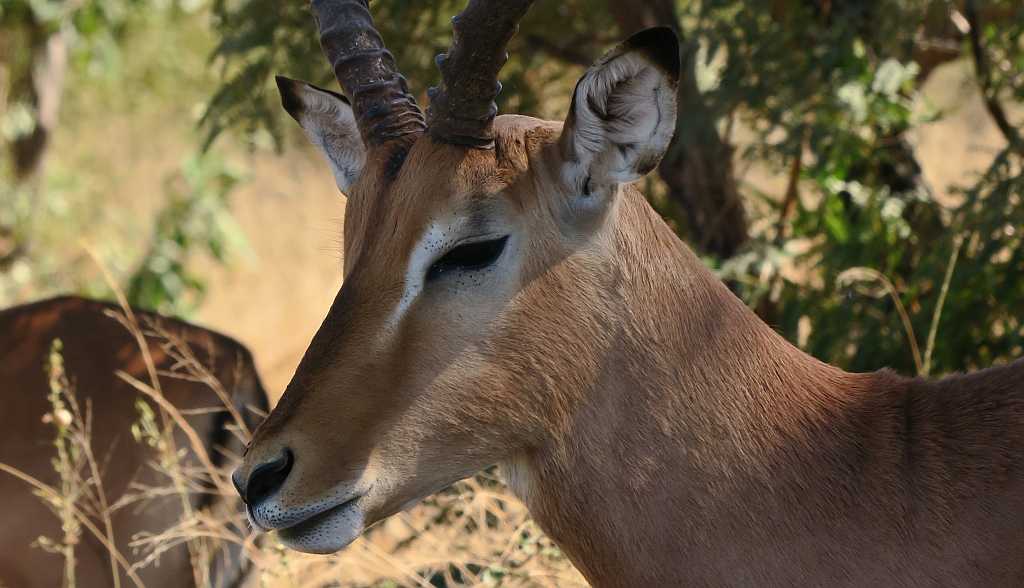
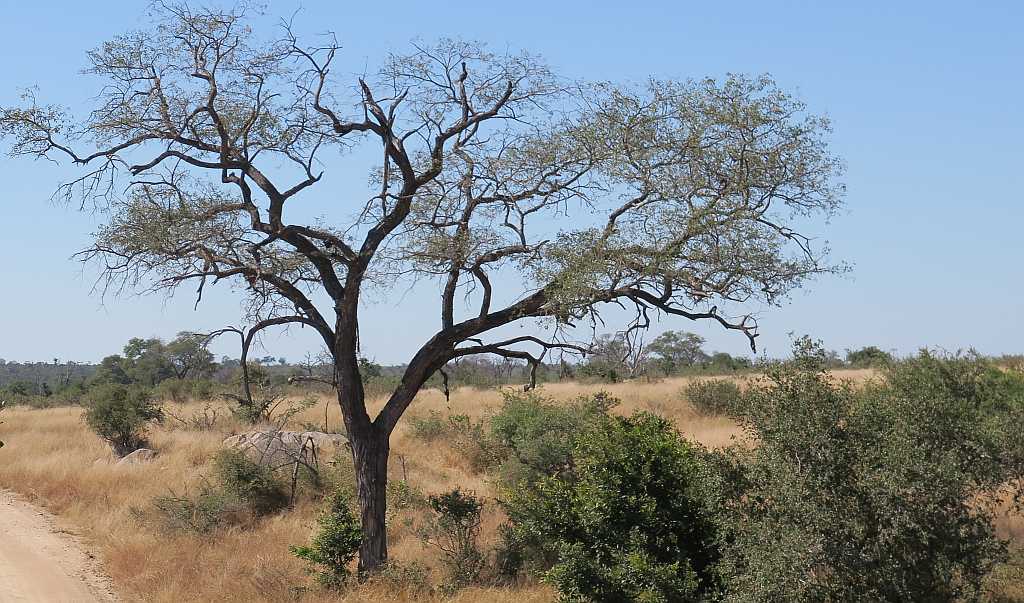
We get up at 5:00 and we are ready to leave as the camp gates open. We are in Pretoriuskop for 3 nights and we decide to spend the first day going south towards the Malelane gate and the next day we will go a little north and east towards Skukuza and Lower Sabie rest camps. You will find the highest concentration of animals in the southern half of Kruger but, by the same token, also the highest concentration of tourists. SANParks are controlling the number of visitors that enter Kruger to prevent total over-crowding and subsequent loss of the wilderness atmosphere. We drive down the old Voortrekker road to the Afsaal picnic area where we join the road from Skukuza to the Malelane gate. We are somewhat disappointed because we have not seen anything exotic bar a couple of giraffes and other antelope. We have never seen wild dogs and would love to see some – there are not many, so you’re in luck if you actually see them.
At Afsaal one can have coffee and snacks or “roosterkoeke” under the trees or even make your own breakfast on the gas “skottelskaar” braais provided. The shop is well equipped. You have to be really careful with the apes that sit in the trees high above you which will, when you forget about them, swoop down in seconds to grab what you thought was your lunch. Even your little paper sachet of sugar is not safe. I have seen reports of even hyena and elephants visiting, unfazed by the human beings. Then you will just have to huddle in a group until they are gone.
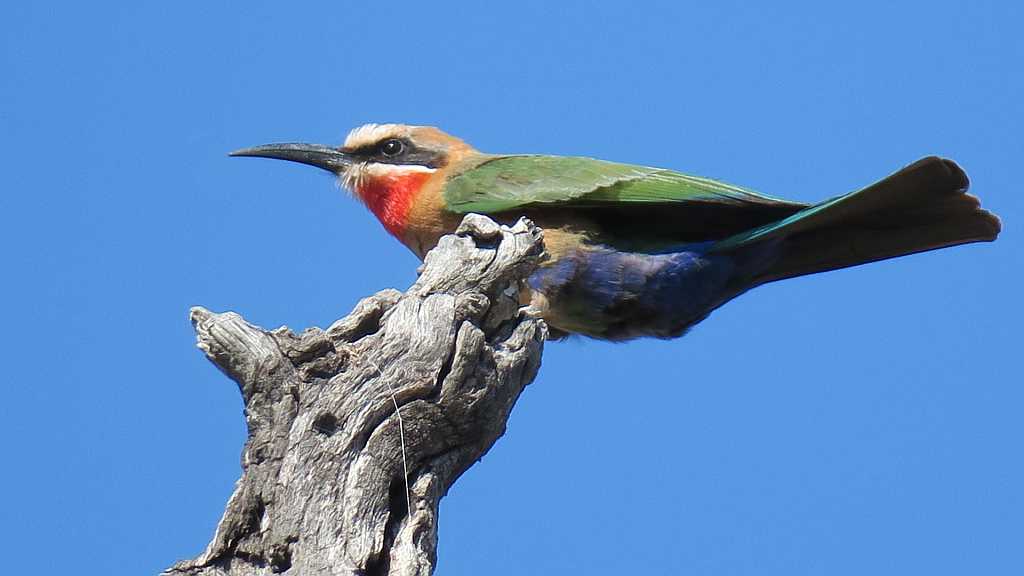
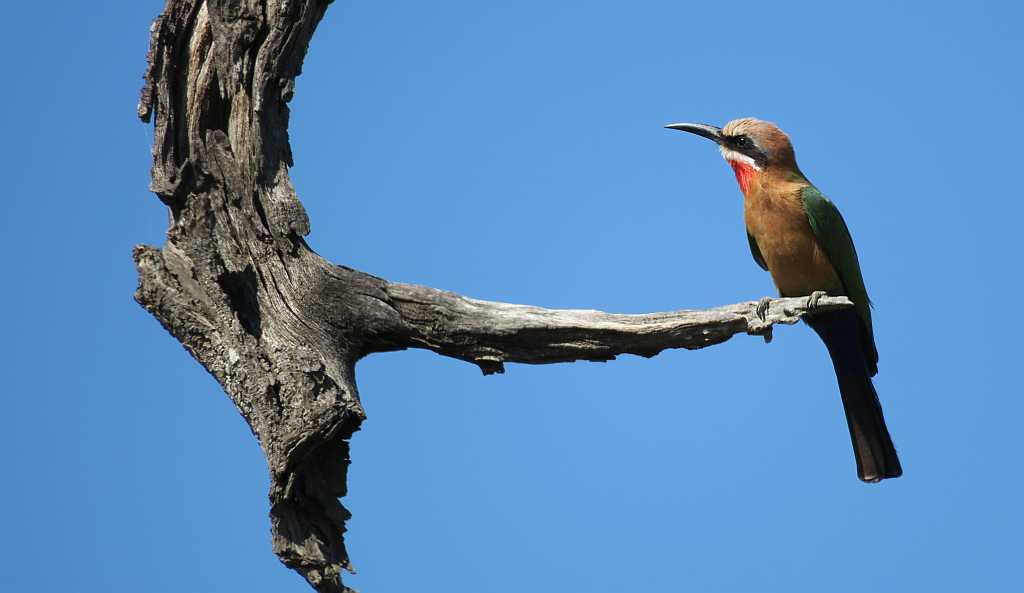
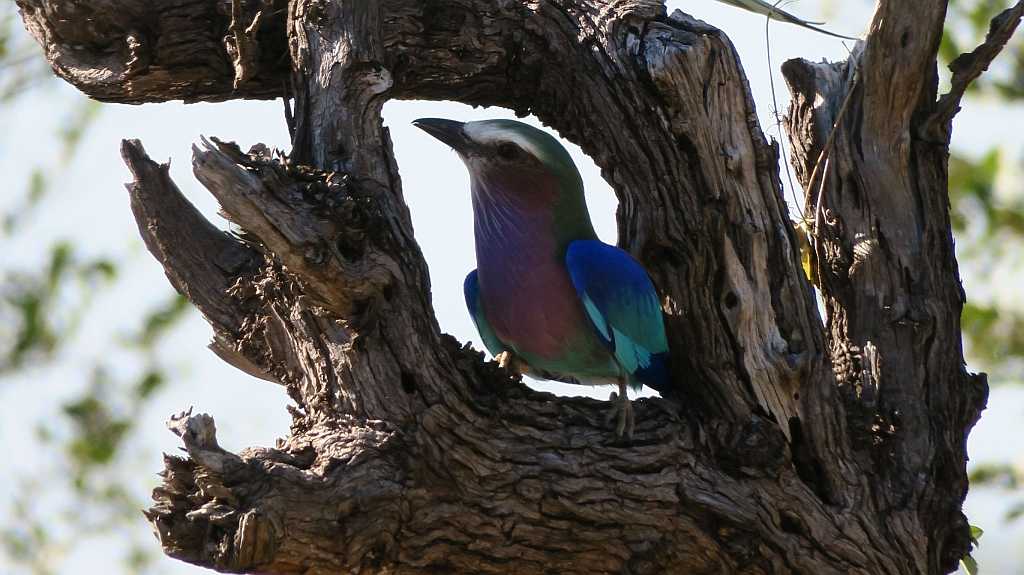
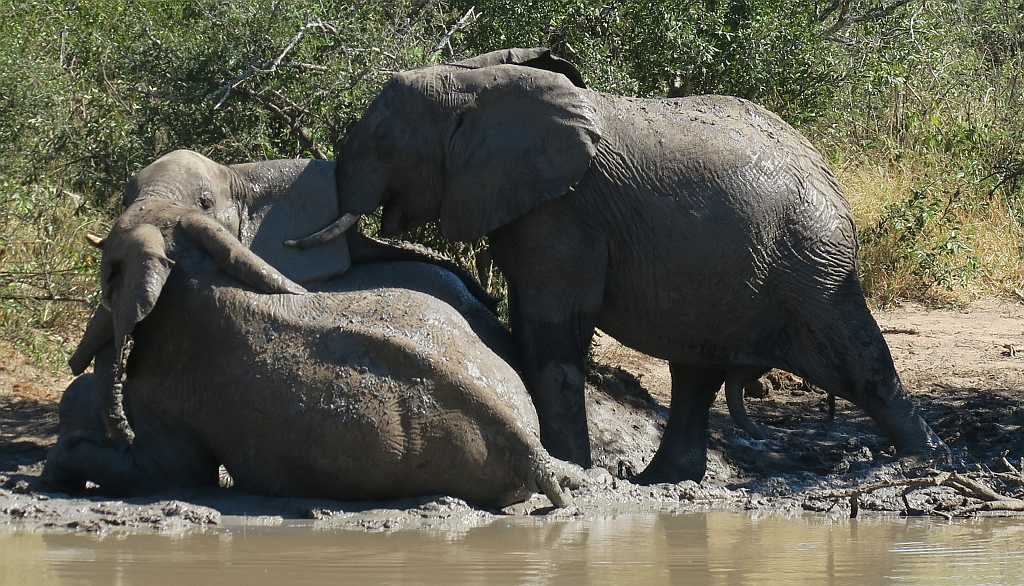
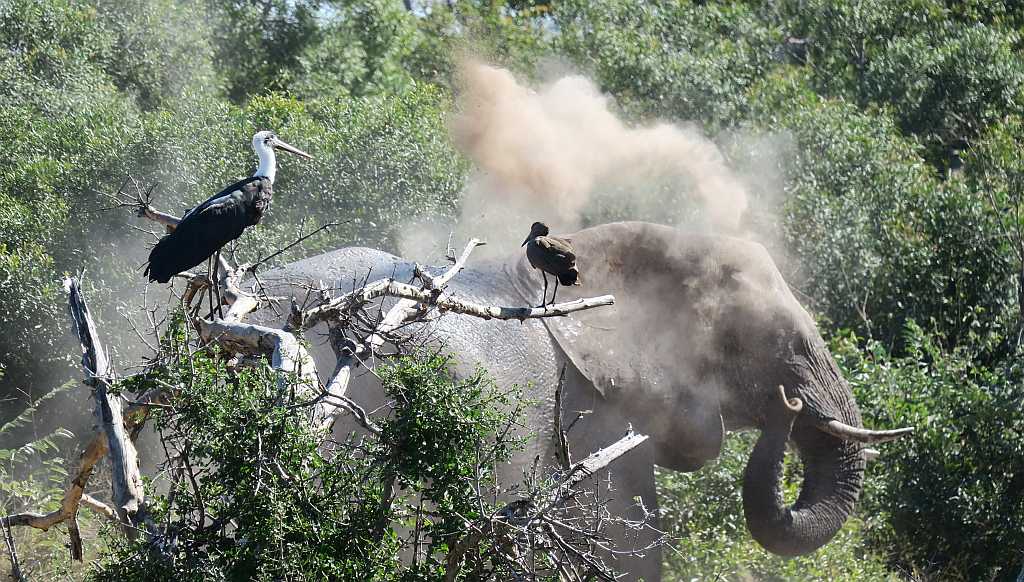
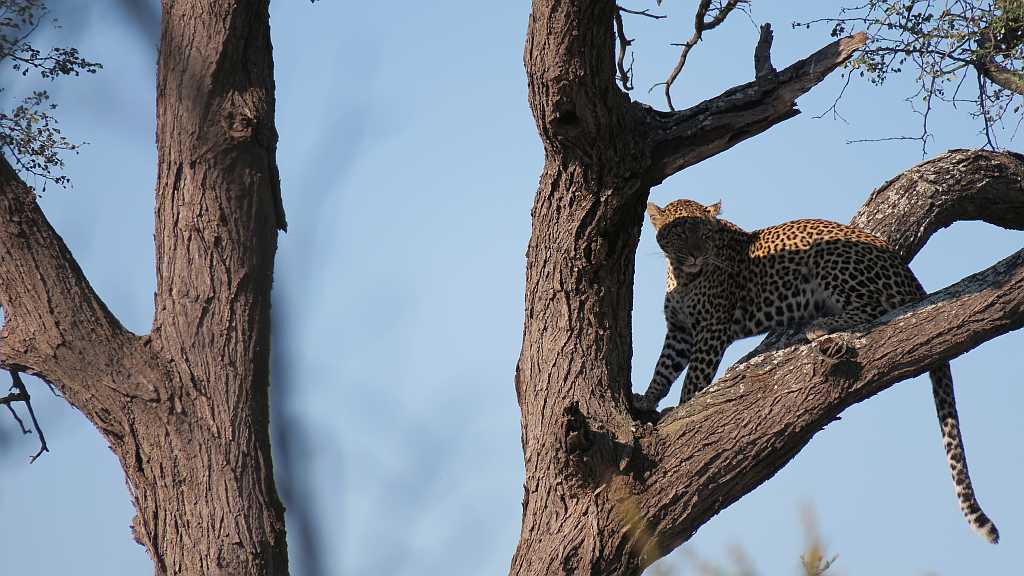
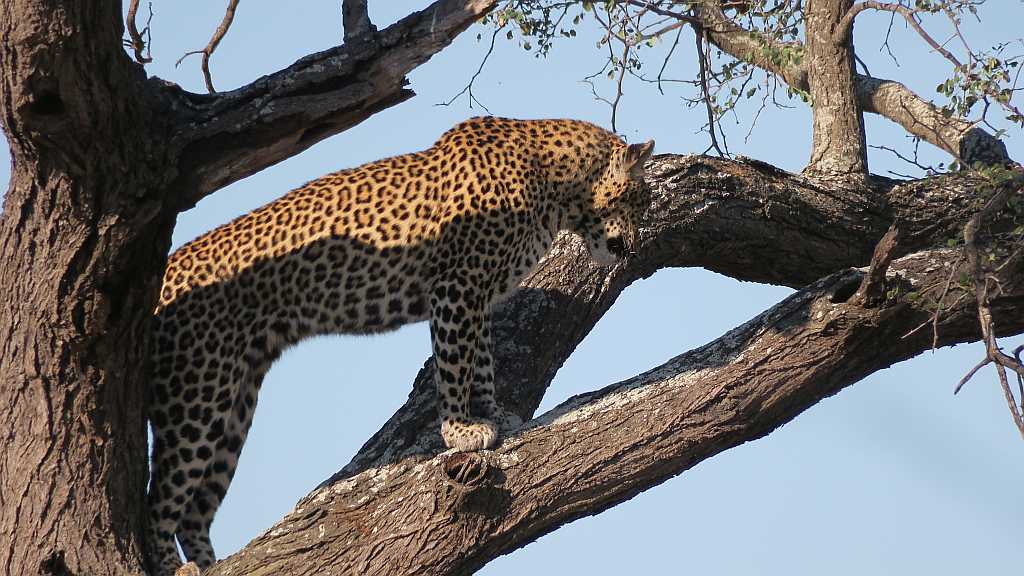
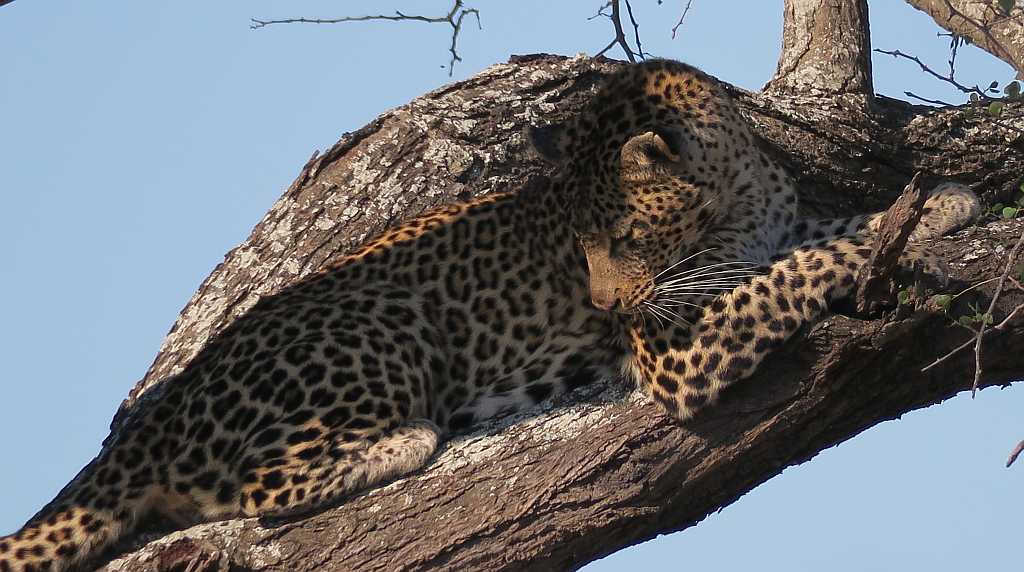
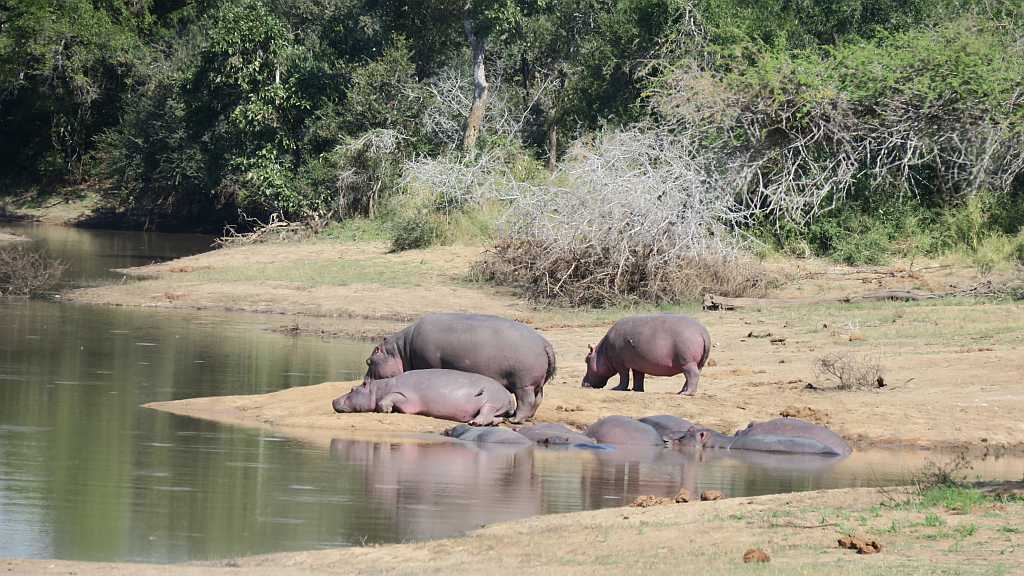
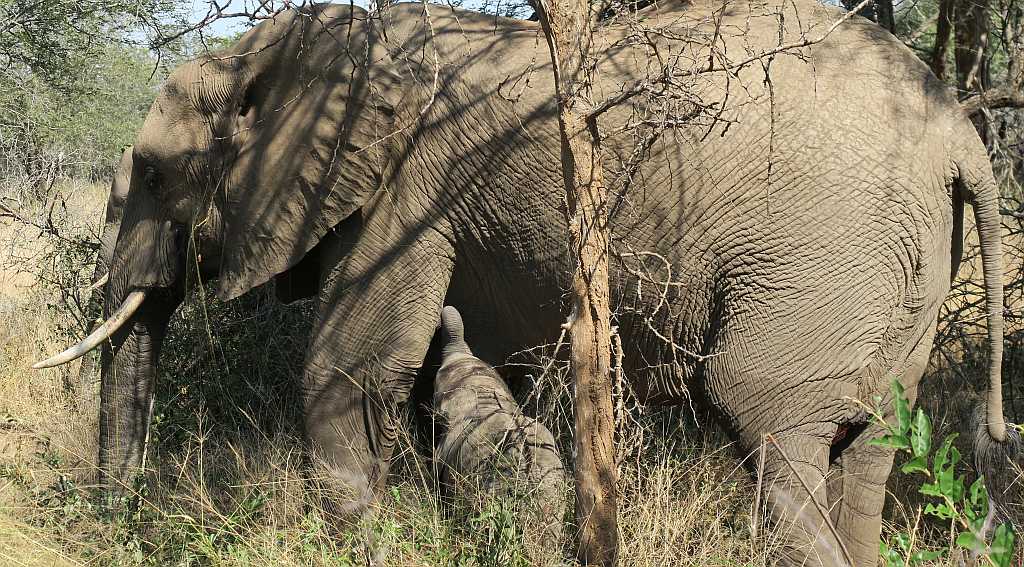
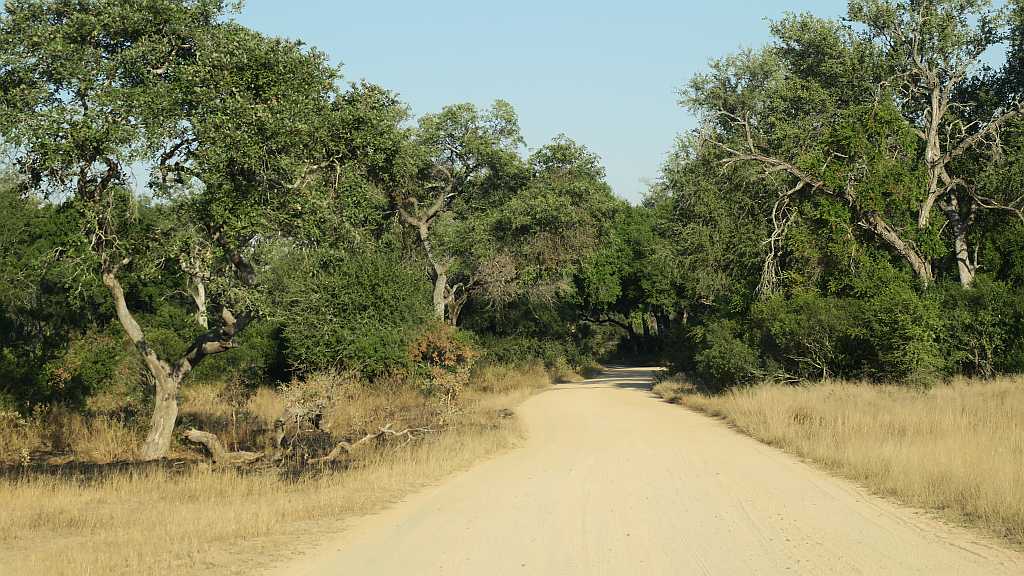
We leave after about an hour and drive south on a road that runs parallel to the main road. We see many birds, especially the bright-coloured roller (“troupant”), more antelope, crocs and eventually elephants taking a drink and dust bath. When we reach the Malelane gate, we go for a quick visit to see one of the SANParks rangers, who trained me as a SANParks Honorary Ranger, at her office near the gate. We realise it is already too late in the day to drive up to the Berg-en-Dal rest camp, so we return with the main road via Afsaal to Pretoriuskop. As we approach Afsaal, we see a number of vehicles next to the road. Their attention is drawn by a leopard in a tree. Nice sighting. We arrive in time before the gates close at Pretoriuskop.
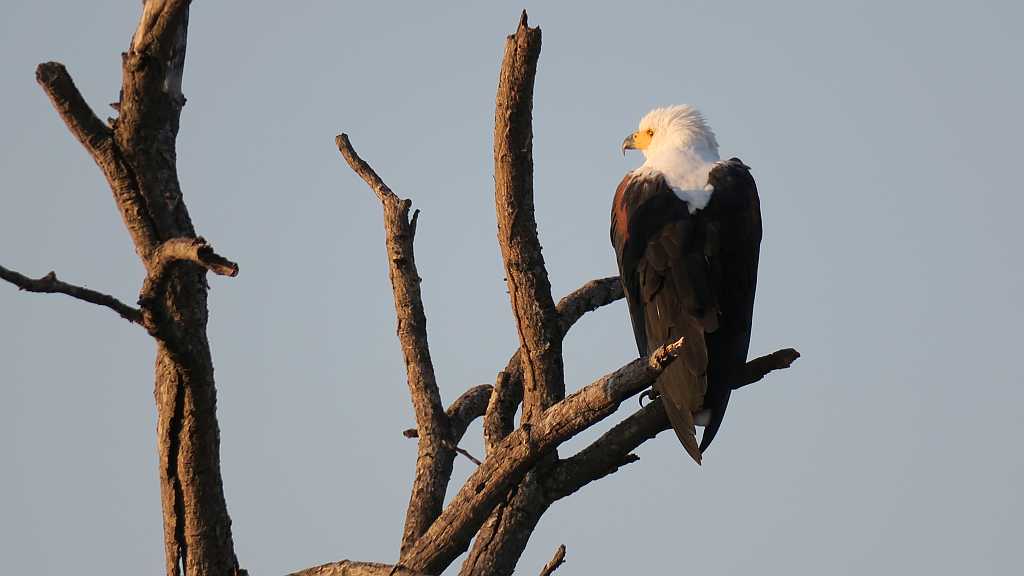
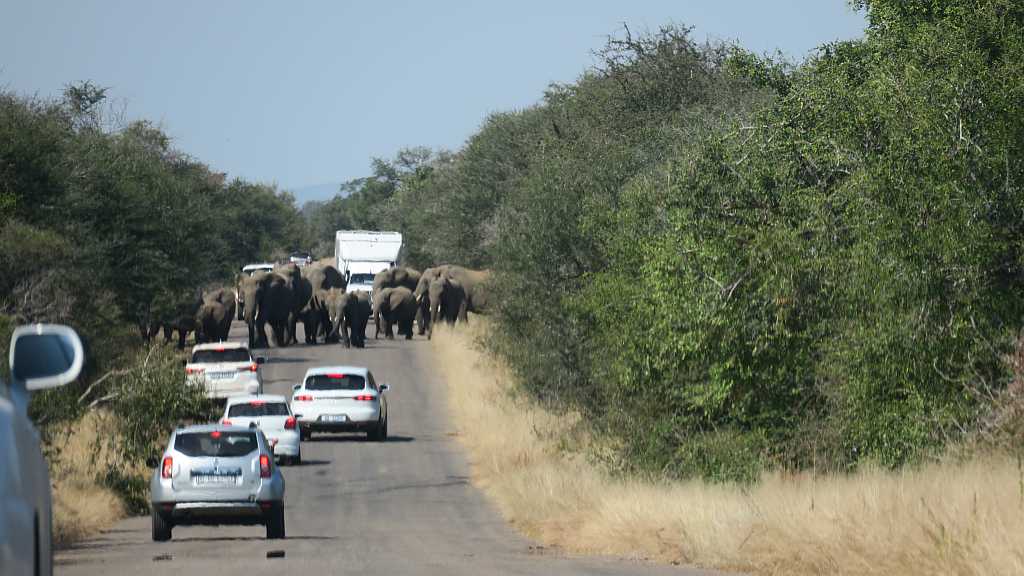
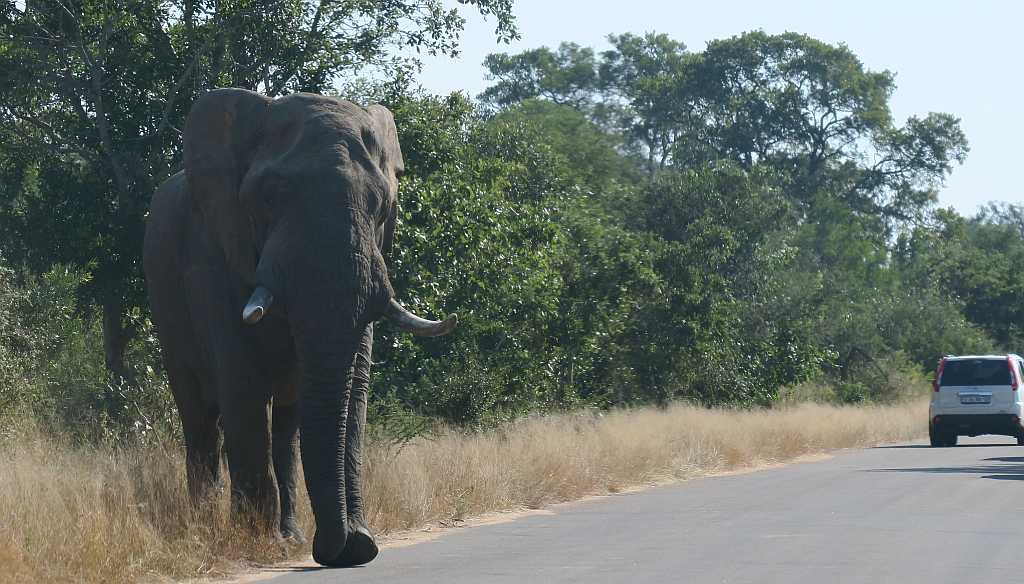
The next morning we leave early again – this time going towards Skukuza, Kruger’s main camp and management hub. On the way we also see African Fish Eagles, with their beautiful and distinctive call reminding you of Africa. At Skukuza we enjoy coffee on the deck next to the Sabie river. Then we drive along the river pass the Nkuhlu picnic area to the Lower-Sabie rest camp. This is a good place to see lion and elephant. We have lunch on the deck next to the river at Lower-Sabie. On our return, we find the road blocked by cars that are too afraid to pass an elephant herd that is blocking the road. Now you can’t blame them – I have seen the damage elephants can do and you will not believe how agile they are given their size and weight. As the elephants move in our direction down the road, the cars reverse to keep a safe distance. Eventually the herd disappears into the bushes but one tusker remains, insisting on eating leaves next to the road. People are now wondering if it is safe to pass but every time someone attempts it, the bull makes sure that they know he has noticed them and then they back-off again. This can take hours to resolve and we are running out of time. Fortunately, the elephant is more interested in eating than scaring off tourists and a car makes it past him. We decide to skip the queue and pass them on the right-hand side (all of this happens at a crawling pace). As we reach the front of the queue, we are less than 10 meters from him. He is glaring at us while chewing but we decide to continue. We know he can cover the distance to us in seconds but, hey, this is Africa and you must take your chances! At the closest point he suddenly makes a move. Anette, who is taking pictures (and who is even closer to him!) yells for me to go as fast as I can, and I step hard on the accelerator. I think the sudden roar of the engine and the forward jump of our car made him hesitate, and we race past him. Once we feel safe on the other side we grin and wave embarrassedly to the cars queuing up from the other side. We are unsure if they think we are heroes or wimps given the screams and the excessive acceleration! But their turn is still coming, so we will leave it up to them to make up their minds!
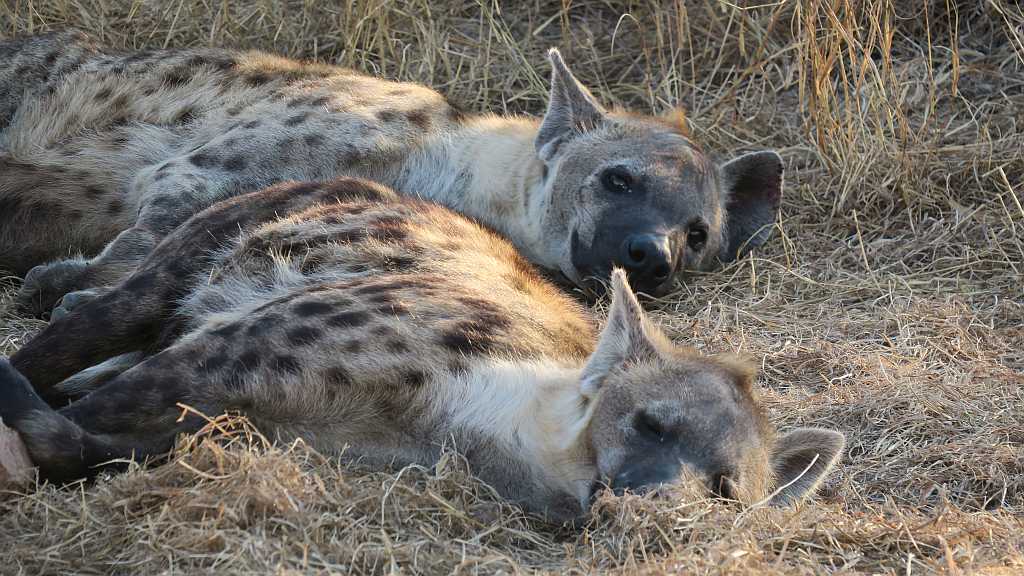
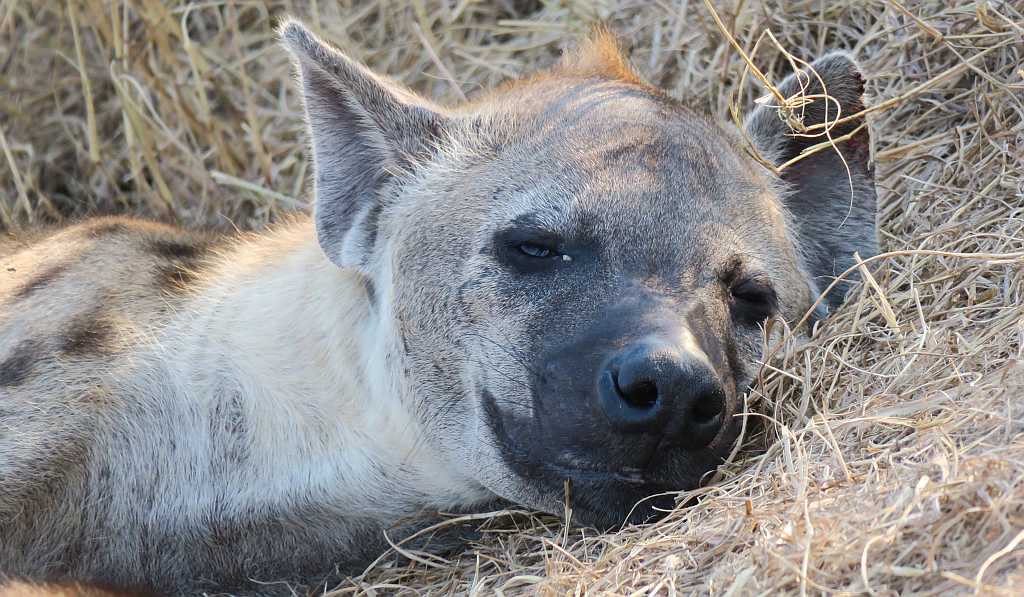
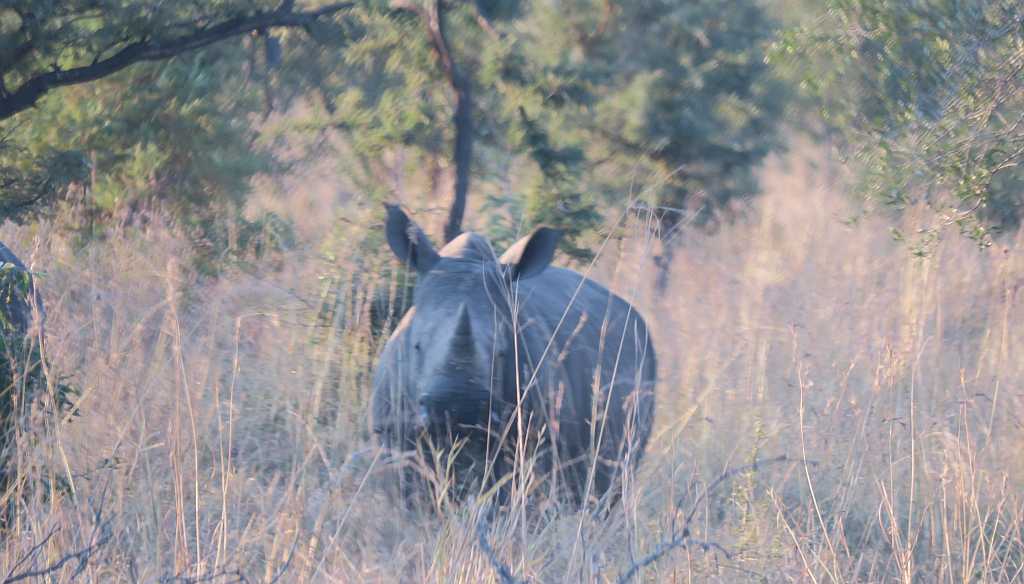
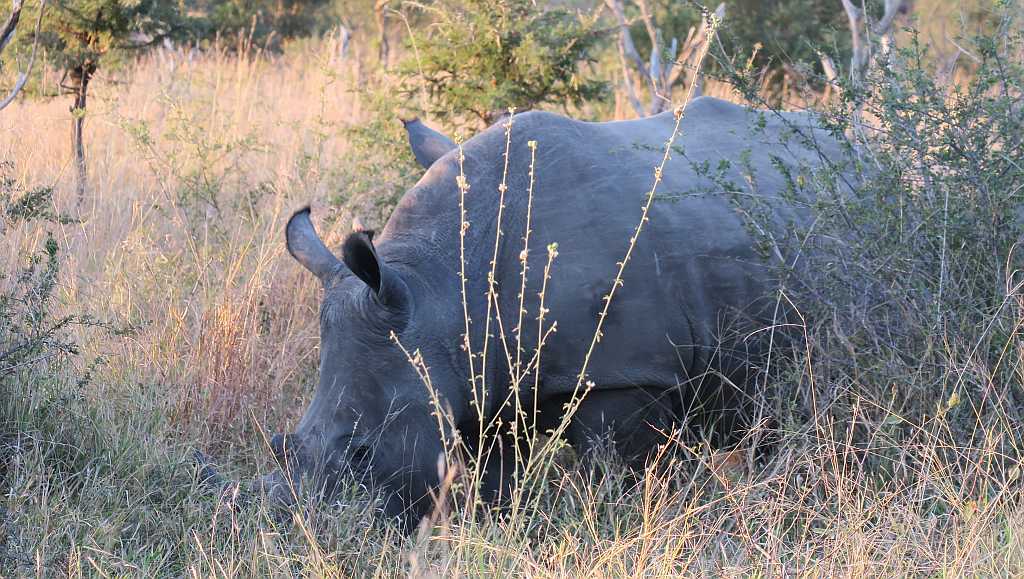
We make it all the way back to Pretoriuskop for our last night, seeing a pack of hyenas and a lonely rhino on the way. Man, don’t you just love the wild?!